Flood damage can be one of the most overwhelming and destructive events a property owner experiences. Whether caused by severe weather, burst pipes, sewer backups, or appliance failures, flooding introduces water into areas where it does not belong, often with devastating consequences. Beyond the visible standing water lies a complex process of cleanup, drying, sanitizing, and restoring the affected space. Flood damage cleanup and restoration is not simply about removing water—it involves protecting structural integrity, preventing mold growth, safeguarding indoor air quality, and restoring the property to its pre-loss condition. Understanding each phase of the restoration process empowers homeowners and business operators to act quickly and minimize long-term damage.
The immediate impact of flooding extends far beyond soaked carpets and damaged furniture. Water can rapidly infiltrate walls, flooring systems, insulation, and electrical components. Within minutes, porous materials begin absorbing moisture, and within hours, structural elements may start to weaken. The longer water remains untreated, the more extensive the damage becomes. That is why professional Restore Draper emphasizes rapid response. Time is the single most critical factor in determining the scope of repairs, overall costs, and the success of the recovery process.
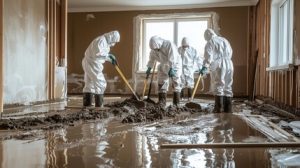
The first stage of flood damage cleanup is a thorough assessment. Restoration professionals evaluate the extent of water intrusion, identify affected materials, and determine the category of water involved. Not all floodwater is the same. Clean water from a supply line differs significantly from contaminated water resulting from sewage or external flooding. The level of contamination influences the cleaning approach, required protective measures, and disposal procedures. A comprehensive inspection ensures that the cleanup strategy addresses both visible and hidden damage.
Once the assessment is complete, water extraction begins. Industrial-grade pumps and vacuums remove standing water quickly and efficiently. Rapid extraction is essential to prevent further absorption into building materials. Even after visible water is removed, residual moisture often remains trapped within walls, flooring, and substructures. Specialized moisture detection tools help identify hidden damp areas that require additional drying. Skipping this step can result in long-term structural damage and microbial growth.
Drying and dehumidification follow water removal. This stage is critical because moisture can linger deep within materials long after surfaces appear dry. High-powered air movers and commercial dehumidifiers work together to accelerate evaporation and restore safe moisture levels. Technicians monitor humidity and material moisture content throughout the process, adjusting equipment as needed. Proper drying not only prevents mold but also preserves structural components that might otherwise deteriorate.
One of the most serious risks associated with flooding is mold growth. Mold can begin developing within 24 to 48 hours in damp conditions. Once established, it spreads quickly and can compromise indoor air quality. Flood damage restoration includes antimicrobial treatments and preventive measures to reduce the risk of mold contamination. Addressing moisture promptly is the most effective defense against microbial growth and long-term health concerns.
Cleaning and sanitizing are equally important components of flood damage restoration. Floodwater often carries dirt, bacteria, and other contaminants that settle on surfaces and within materials. Thorough cleaning removes debris and reduces health hazards. In cases involving contaminated water, affected materials such as drywall, insulation, and carpeting may need to be removed and replaced to ensure safety. Sanitization restores hygienic conditions and prepares the space for reconstruction.
The flood damage cleanup process typically involves several essential steps:
- Emergency Response and Assessment – Inspecting damage and categorizing water contamination.
- Water Extraction – Removing standing water using specialized equipment.
- Drying and Dehumidification – Eliminating residual moisture from structures and materials.
- Cleaning and Sanitizing – Disinfecting affected areas to prevent microbial growth.
- Restoration and Repairs – Rebuilding and restoring damaged components.
Each step plays a vital role in returning a property to safe and functional condition.
Structural considerations are central to flood restoration. Water weakens wood framing, corrodes metal components, and deteriorates drywall and insulation. If left untreated, these materials may lose structural integrity, leading to sagging ceilings, warped flooring, or compromised support systems. Restoration professionals assess which materials can be salvaged and which require replacement. This careful evaluation ensures safety while minimizing unnecessary demolition.
Electrical systems are another area of concern after flooding. Water exposure can damage wiring, outlets, and electrical panels, creating potential fire hazards. Qualified technicians inspect electrical components before power is restored to prevent further risk. Addressing electrical safety early in the process protects both occupants and restoration crews.
Furniture, personal belongings, and equipment may also require specialized cleaning and restoration. Upholstered items, electronics, and documents can often be salvaged if treated promptly. Professional restoration services use advanced drying chambers, cleaning solutions, and deodorization techniques to recover valuable items. While not everything can be restored, early intervention significantly improves salvage rates.
Odor control is a frequently overlooked yet crucial aspect of flood damage restoration. Lingering damp smells can persist even after visible water is removed. These odors often result from trapped moisture or bacterial growth. Deodorization techniques, including air scrubbing and thermal fogging, neutralize odors at their source rather than masking them. Restoring fresh indoor air contributes to both comfort and psychological recovery after a stressful flooding event.
Another critical factor in flood damage cleanup is documentation. Accurate records of damage, restoration activities, and material replacements are important for insurance claims. Detailed documentation supports transparency and ensures that property owners receive appropriate compensation for covered losses. Working with experienced professionals simplifies the claims process and reduces administrative stress during an already challenging time.
Flood damage restoration also requires attention to long-term prevention. Once the immediate cleanup is complete, property owners should address the root cause of the flooding. This may involve repairing plumbing systems, improving drainage, sealing foundation cracks, or upgrading sump pumps. Preventive measures reduce the likelihood of future water intrusion and protect the investment made in restoration.
For commercial properties, minimizing downtime is a top priority. Flooding can disrupt operations, impact revenue, and damage customer trust. Professional restoration teams work efficiently to reduce business interruption while maintaining safety standards. Rapid drying and targeted repairs allow companies to resume operations as quickly as possible. Effective flood damage restoration protects both physical assets and business continuity.
Health considerations remain at the forefront throughout the restoration process. Contaminated water and damp environments pose risks of bacterial growth and airborne irritants. Proper protective equipment, containment procedures, and sanitation protocols safeguard occupants and workers. Ensuring that the environment is fully dry and sanitized before reoccupancy prevents recurring health issues.
In addition to emergency response, regular maintenance and inspections play a preventative role. Monitoring plumbing systems, checking roof integrity, and maintaining drainage systems can help identify vulnerabilities before they lead to flooding. Proactive property care reduces risk and supports resilience against unexpected water events.
The financial implications of flood damage underscore the importance of swift action. Delayed cleanup increases repair costs, expands the scope of damage, and may lead to mold remediation expenses. Early intervention limits structural deterioration and shortens restoration timelines. Investing in professional flood damage cleanup services ultimately protects property value and reduces long-term financial strain.
Technology continues to improve flood damage restoration methods. Advanced moisture detection equipment, thermal imaging, and high-efficiency drying systems enable more precise and efficient recovery. These innovations enhance accuracy, reduce guesswork, and ensure that no hidden moisture remains. Leveraging modern restoration techniques leads to more reliable outcomes and greater peace of mind.
Flood damage cleanup and restoration is a comprehensive process that extends beyond surface cleaning. It involves coordinated efforts to extract water, dry structures, sanitize environments, repair damage, and prevent recurrence. Each stage builds upon the previous one, forming a systematic approach to recovery. When performed correctly, restoration not only repairs damage but also strengthens the property against future risks.
In conclusion, flood damage cleanup and restoration require immediate, strategic action to protect both health and structural integrity. From initial assessment and water extraction to drying, sanitization, and rebuilding, every step plays a critical role in successful recovery. Professional restoration services combine expertise, specialized equipment, and preventive strategies to ensure thorough and lasting results. By understanding the complete process and acting quickly when flooding occurs, property owners can minimize damage, reduce costs, and restore their space safely and efficiently.